
Family-run creosote removal in St. Nicholas
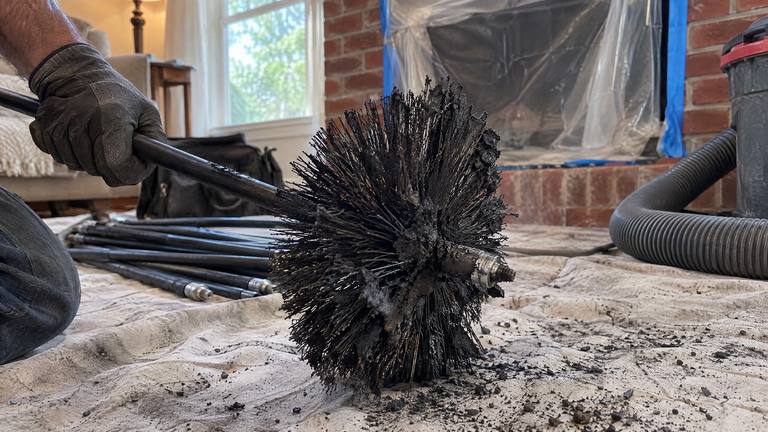
Brushes skidding over black glaze in St. Nicholas? Our pros remove it and tell you why it formed, free inspection first.
- Fully licensed and insured
- Locally owned
- Family owned and operated
- Same-day service
Get Your Free Inspection
Get a quote for chimney and fireplace repair and installation in Jacksonville.
Request received
Thank you. We will call you shortly to set a time.
Quicker by phone? Call (904) 920-5495
Family-owned creosote experts serving St. Nicholas
- Locally owned in Jacksonville
- Family owned and operated
- 100% satisfaction guaranteed
- Free inspection and estimate
- Same-day service available
- 10% off any service
Should deposits we cleared come back unusually fast in St. Nicholas, the same family crew returns to find out why.
- Free inspection and estimateThe glaze in your St. Nicholas flue is mapped by height and the liner checked at no charge.
- 100% satisfaction guaranteedIf the flue is not left bare, examined and clean as agreed, we come back and finish it.
- Family owned and operatedA family business chooses the method and does the work, so the care taken with your liner stays in one set of hands.
Fires that smolder all evening
A fire kept low with the air turned down, smoldering for hours, sends cool, heavy smoke up the flue. That smoke condenses on the flue walls and builds creosote quickly, and repeated evenings like that turn it into glaze.
The removal clears what has built up. The change in how the fire is run keeps it from returning. We cover both on the visit: the deposits by method and rounds, and the burning habits in plain terms. Long, slow fires in your St. Nicholas fireplace? Call (904) 920-5495, and the creosote inspection is free.
St. Nicholas is a neighborhood inside Jacksonville city limits. St. Nicholas sits in Duval County.
What creosote removal covers in St. Nicholas
- Firebox sealed under a filtered vacuum
- Smoke chamber and smoke shelf cleared
- Draft tested before we leave
- Glaze mapped in your St. Nicholas flue before any price
From the first look to a bare flue in St. Nicholas
-
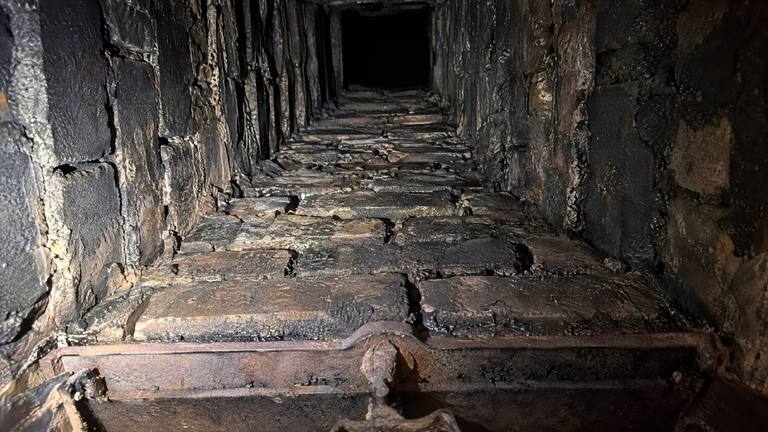
Glaze mapped, liner checked
The deposits are recorded by height and the liner assessed before a method is chosen.
-
Room sealed and protected
The fireplace opening is closed with a panel under a filtered vacuum, and the hearth area covered.
-
Rotary passes or treatment rounds
Glaze is broken loose with rotary tools on sound tile, or softened with a labeled treatment and brushed away.
-
Bare flue examined
The cleaned flue is checked from both ends, draft tested and burning habits reviewed.
Occasional fires and glaze in St. Nicholas
Fireplaces lit only now and then often start cold and smoky, and a cold start is when smoke condenses fastest.
In St. Nicholas we suggest building each fire hot and quick to reduce what the flue collects.
10% off any service booked within 72 hours of inspection
Glaze in the flue? The removal you book in the next three days comes 10% off.
Cold flues and faster deposits
A flue running up an outside wall, or one that rises well above the roof, loses heat to the air around it. Smoke cools sooner in such a flue, so a larger share of it settles on the tile as creosote.
Nothing is wrong with such a chimney, but it needs more attention. Hotter fires, dry wood and a well-sized flue help. In some cases, an insulated liner keeps the smoke warmer through the chimney, and we price that separately when the glaze keeps coming back despite good burning habits. We point out which parts of the chimney run coldest so you know where deposits will gather first.
What should not go in the firebox
Garbage is on the EPA Burn Wise list of things not to burn, along with cardboard, plastics, and painted or treated wood. They make smoky fires, some release harmful fumes, and paper and cardboard can send burning pieces up the flue.
A fireplace used as an incinerator builds deposits quickly. After removal, we go over what belongs in the firebox: dry firewood, a little kindling and newspaper to start. It sounds basic, yet it is one of the things that keeps a cleaned flue from glazing again. Anything that smells of plastic or chemicals when it burns does not belong in the firebox.
Cleaning logs, sprays and their limits
Products sold to loosen creosote, from cleaning logs to sprays and powders, can soften some deposits as they burn. What they do not do is remove hard glaze by themselves or show the condition of the flue.
Softened deposits still have to be brushed out, and a flue treated only with these products for seasons can hide heavy glaze and cracked tiles. We do use labeled chemical treatments as part of removal, but always with brushing and an examination afterward. The difference is that the flue is looked at, not assumed. If you like to use them between cleanings, we explain how to keep them from hiding problems.
Deposit findings written down before pricing
- Liner type and visible condition checked before any method is chosen
- Repairs found behind the glaze listed and priced separately
- A cap priced alongside when the flue has none
- Relining priced as an option when glaze keeps returning
Creosote questions from St. Nicholas
Do you remove creosote in St. Nicholas?
Yes. We remove glazed and heavy creosote across Duval County, St. Nicholas included. Tell us whether you burn in an open fireplace or an insert when you call, so we bring the right tools.
How do I stop the glaze from coming back?
Use wood dried six months or more, let the fire breathe, and skip the long, low, smoky burns. If the flue is oversized or runs cold, a correctly sized liner may be the lasting answer.
More services in St. Nicholas
-
-
-
-
-
-
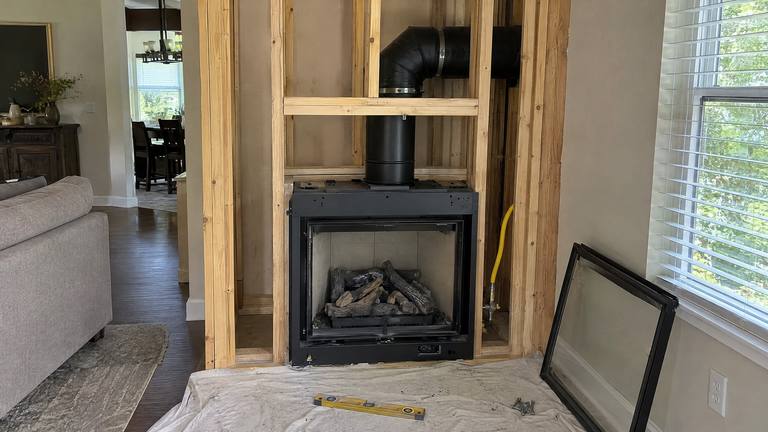


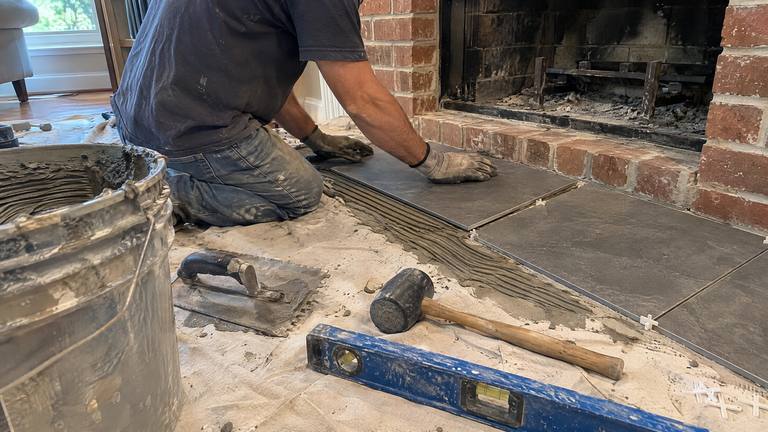
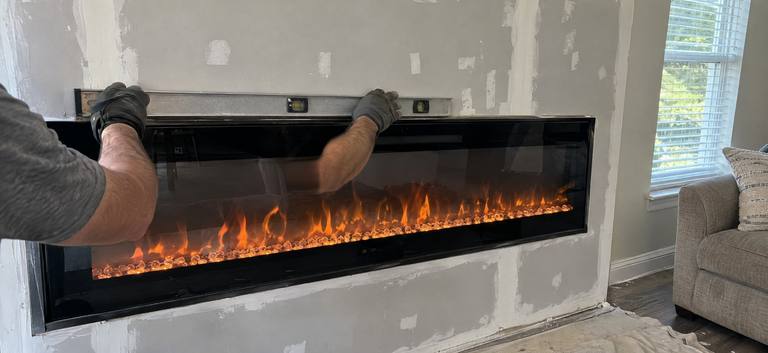
Learn more about creosote removalAll services in St. Nicholas
Book a creosote check before the next fire
Our creosote pros map the glaze, check the liner and price the method for your St. Nicholas flue. Call (904) 920-5495.
Free Inspection