
Creosote cleaning for fireplaces in Arlington
Creosote work in Arlington done with the room covered, the firebox sealed and every bit of mess taken away.
- Fully licensed and insured
- Locally owned
- Family owned and operated
- Same-day service
Get Your Free Inspection
Get a quote for chimney and fireplace repair and installation in Jacksonville.
Request received
Thank you. We will call you shortly to set a time.
Quicker by phone? Call (904) 920-5495
Local creosote pros for Arlington chimneys
- Locally owned in Jacksonville
- Family owned and operated
- 100% satisfaction guaranteed
- Free inspection and estimate
- Same-day service available
- 10% off any service
The room stays clean behind a sealed panel and a filtered vacuum.
- Free inspection and estimateThe glaze in your Arlington flue is mapped by height and the liner checked at no charge.
- 100% satisfaction guaranteedIf the flue is not left bare, examined and clean as agreed, we come back and finish it.
- Family owned and operatedA family business chooses the method and does the work, so the care taken with your liner stays in one set of hands.
Keeping glaze from coming back
Glaze forms again under the same conditions that made it: wet wood, starved fires or a flue too big and too cold for the fire. Removal alone does not change any of those. Much of what keeps a flue clean happens at the woodpile and the air control.
So we finish with a plain talk about the fire. Dry wood, a fire given enough air and a flue sized to it keep deposits light enough for routine sweeping. Want to keep your Arlington flue clean after removal? Phone (904) 920-5495, and our creosote pros will walk you through it on the free visit.
Arlington is one of the named neighborhoods of Jacksonville. Arlington is part of Duval County.
What creosote removal covers in Arlington
- Method matched to clay tile or stainless liner
- Damper area cleaned and worked through its travel
- Bare flue examined from both ends
- A written creosote plan for your Arlington fireplace, free
How creosote removal runs
-
Glaze mapped, liner checked
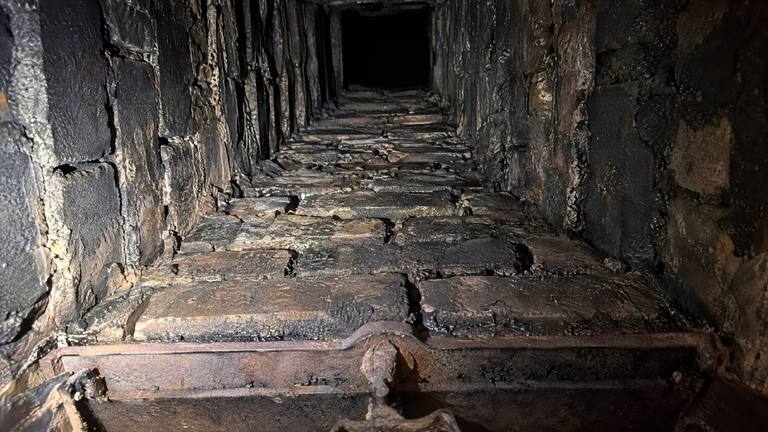
The deposits are recorded by height and the liner assessed before a method is chosen.
-
Room sealed and protected
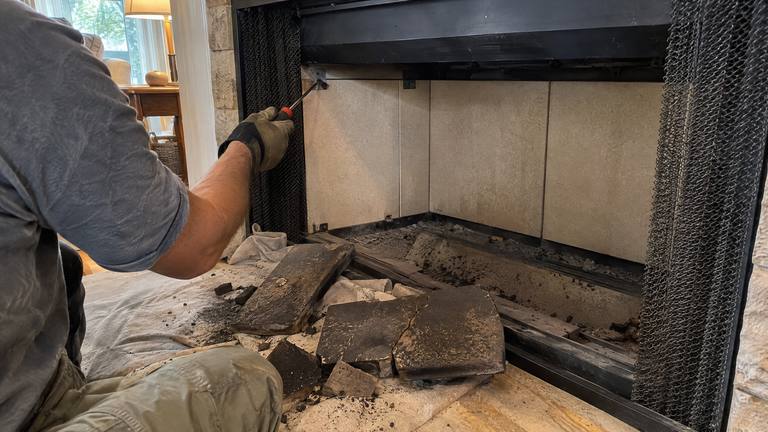
The fireplace opening is closed with a panel under a filtered vacuum, and the hearth area covered.
-
Rotary passes or treatment rounds
Glaze is broken loose with rotary tools on sound tile, or softened with a labeled treatment and brushed away.
-
Bare flue examined
The cleaned flue is checked from both ends, draft tested and burning habits reviewed.
Oversized flues in Arlington
An oversized flue lets smoke cool and linger, and that is about the chimney, not the town.
When glaze keeps returning in a flue in Arlington, we check its size against the fire it serves.
10% off any service booked within 72 hours of inspection
However many rounds the glaze takes, each one is discounted.
Creosote in stainless steel liners
Stainless liners are thinner than clay tile and can be scratched, dented or torn by aggressive tools. Liner makers set out how their products should be cleaned, often calling for brushes of a particular material.
When a stainless liner has glazed, we read the maker's instructions and stay within them. That usually means a treatment to soften the glaze followed by an approved brush. If a liner has been damaged by earlier cleaning, we note it, since a torn liner is a repair or replacement item rather than a cleaning job. The liner's maker and model, where we can find them, are written on the estimate.
What should not go in the firebox
Garbage is on the EPA Burn Wise list of things not to burn, along with cardboard, plastics, and painted or treated wood. They make smoky fires, some release harmful fumes, and paper and cardboard can send burning pieces up the flue.
A fireplace used as an incinerator builds deposits quickly. After removal, we go over what belongs in the firebox: dry firewood, a little kindling and newspaper to start. It sounds basic, yet it is one of the things that keeps a cleaned flue from glazing again. Anything that smells of plastic or chemicals when it burns does not belong in the firebox.
Examining the flue once it is bare
The best time to judge a flue is right after glaze removal. With the deposits gone, the tile surfaces, joints and any cracks show clearly under a light from the top and bottom.
We examine the whole flue at that point and write down what we see: sound tile, cracks, open joints, flaking faces or displaced sections. That record is part of the job. If the flue needs repair, you get the findings with it, and the repair is priced as a separate item for you to decide on. If the flue is sound, the report says so, which is worth having in its own right.
What we record about the glaze in Arlington
- Treatment rounds estimated from the label and the glaze depth
- Flue size compared with the fire it serves
- A cap priced alongside when the flue has none
- Relining priced as an option when glaze keeps returning
Before the glaze comes off
Should the fireplace stay cold between treatment rounds?
That depends on the product. Some need fires to work and others need the fireplace left cold, and we give you the rules for yours in writing.
How do I stop the glaze from coming back?
Use wood dried six months or more, let the fire breathe, and skip the long, low, smoky burns. If the flue is oversized or runs cold, a correctly sized liner may be the lasting answer.
More services in Arlington
-
-
-
-
-
-


Get the glaze out of your Arlington flue
The flue we clear in Arlington is shown to you bare, and our satisfaction guarantee covers the job.
Free Inspection