Family-run creosote removal in Tallulah-North Shore
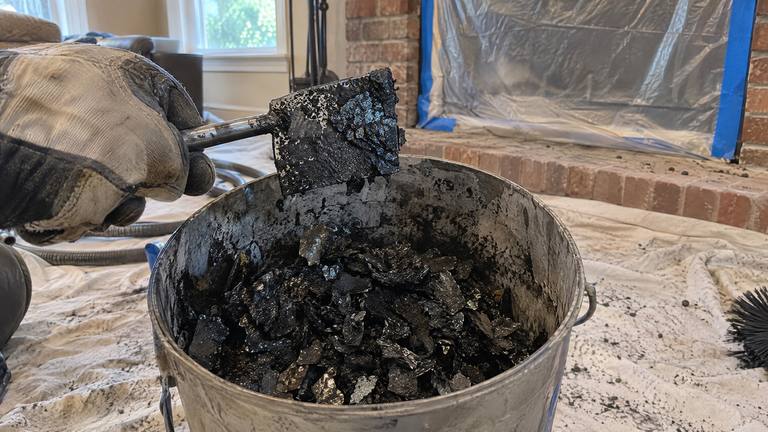
Brushes skidding over black glaze in Tallulah-North Shore? Our pros remove it and tell you why it formed, free inspection first.
- Fully licensed and insured
- Locally owned
- Family owned and operated
- Same-day service
Get Your Free Inspection
Get a quote for chimney and fireplace repair and installation in Jacksonville.
Request received
Thank you. We will call you shortly to set a time.
Quicker by phone? Call (904) 920-5495
Local creosote pros for Tallulah-North Shore chimneys
- Locally owned in Jacksonville
- Family owned and operated
- 100% satisfaction guaranteed
- Free inspection and estimate
- Same-day service available
- 10% off any service
You leave with plain advice on wood and air that keeps the glaze away.
- Free inspection and estimateThe glaze in your Tallulah-North Shore flue is mapped by height and the liner checked at no charge.
- 100% satisfaction guaranteedIf the flue is not left bare, examined and clean as agreed, we come back and finish it.
- Family owned and operatedA family business chooses the method and does the work, so the care taken with your liner stays in one set of hands.
Wet wood burned last season
Firewood that has not dried long enough spends much of its heat boiling off water. The fire burns cooler, the smoke carries more moisture, and creosote forms faster on the flue walls.
EPA Burn Wise puts the minimum drying time for firewood at six months. If last season's wood hissed, steamed or kept going out, have the flue checked before you light another fire. We check it, remove what has hardened and point out how to tell dry wood from wet. Burned green wood in Tallulah-North Shore last year? Phone (904) 920-5495 for a free flue inspection.
Tallulah-North Shore sits in Duval County. Tallulah-North Shore does not reach the coast.
Glaze off, flue checked, room protected
- Method matched to clay tile or stainless liner
- Room and hearth covered while we work
- Damper area cleaned and worked through its travel
- Glaze mapped in your Tallulah-North Shore flue before any price
From the first look to a bare flue in Tallulah-North Shore
-
Glaze mapped, liner checked
The deposits are recorded by height and the liner assessed before a method is chosen.
-
Room sealed and protected
The fireplace opening is closed with a panel under a filtered vacuum, and the hearth area covered.
-
Rotary passes or treatment rounds
Glaze is broken loose with rotary tools on sound tile, or softened with a labeled treatment and brushed away.
-
Bare flue examined
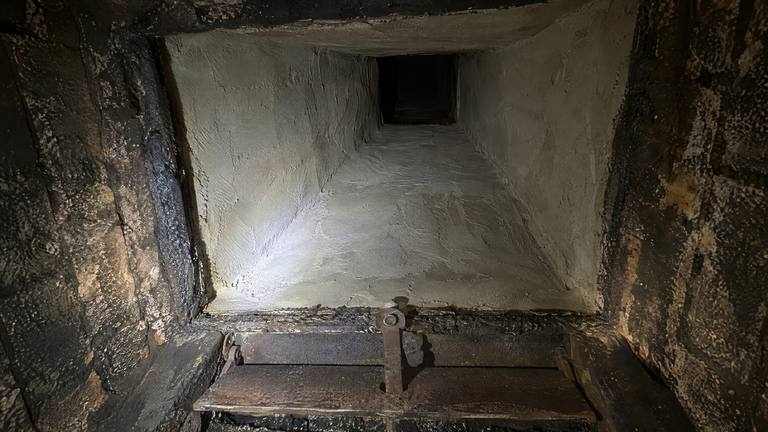
The cleaned flue is checked from both ends, draft tested and burning habits reviewed.
Firewood and deposits in Tallulah-North Shore
Wood that has not dried long enough burns cool and smoky wherever it is burned. Six months of drying is the floor EPA Burn Wise sets.
Dry wood burned in Tallulah-North Shore fireplaces leaves far lighter deposits than green wood.
10% off any service booked within 72 hours of inspection
Heavy deposits in Tallulah-North Shore? Book the removal on inspection day or two days later, and 10% comes off either way.
Air, doors and smoky fires
A fire needs air to burn cleanly. Glass doors closed tight, air controls turned down or a house that is short of makeup air can all starve a fire, making it cool and smoky.
Fireplace door makers give instructions on how the doors should be set while burning, and following them matters. In a tight house, a kitchen fan running during a fire can pull against the flue. We look at these on the visit, because a fire that cannot breathe keeps making creosote however often the flue is cleaned. Opening a nearby window a crack while a fire burns can be enough to settle a smoky fireplace.
Cleaning logs, sprays and their limits
Products sold to loosen creosote, from cleaning logs to sprays and powders, can soften some deposits as they burn. What they do not do is remove hard glaze by themselves or show the condition of the flue.
Softened deposits still have to be brushed out, and a flue treated only with these products for seasons can hide heavy glaze and cracked tiles. We do use labeled chemical treatments as part of removal, but always with brushing and an examination afterward. The difference is that the flue is looked at, not assumed. If you like to use them between cleanings, we explain how to keep them from hiding problems.
Draft after the deposits are gone
Heavy deposits narrow a flue and roughen its walls, both of which slow the smoke. After removal, the full size of the flue is back, and draft often improves noticeably.
If the fireplace still smokes after removal, the cause lies elsewhere: a damper not opening fully, a house short of air, a flue too short or too small for the fireplace, or an obstruction higher up. We test draft before leaving and tell you whether anything else needs attention. A simple smoke test with the damper open shows how well the flue is pulling.
Deposit findings written down before pricing
- Rules for using the fireplace between rounds, in writing
- A cap priced alongside when the flue has none
- Debris bagged, firebox and hearth cleaned before we leave
- Relining priced as an option when glaze keeps returning
Creosote questions from Tallulah-North Shore
Why can't a regular sweep remove glaze?
Brushes work by scraping, and glaze is hard and smooth enough that bristles slide over it. It needs rotary tools or a treatment that makes it brittle first.
Will you make a mess in the house?
No more than a dusty drop cloth. The fireplace opening is sealed with a panel and a filtered vacuum, the hearth area is covered, and we clean the firebox before leaving.
More services in Tallulah-North Shore
-
-
-
-
-
-


Learn more about creosote removalAll services in Tallulah-North Shore
Book a creosote check before the next fire
Our creosote pros map the glaze, check the liner and price the method for your Tallulah-North Shore flue. Call (904) 920-5495.
Free Inspection