
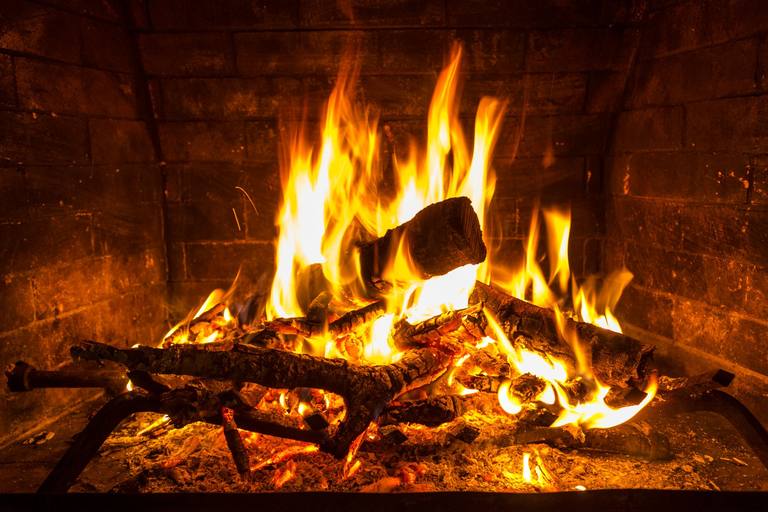
Glazed creosote removal in Lake Asbury
Glaze in the smoke chamber or right up at the top tile, Lake Asbury creosote removal reaches every part of the flue.
- Fully licensed and insured
- Locally owned
- Family owned and operated
- Same-day service
Get Your Free Inspection
Get a quote for chimney and fireplace repair and installation in Jacksonville.
Request received
Thank you. We will call you shortly to set a time.
Quicker by phone? Call (904) 920-5495
Local creosote pros for Lake Asbury chimneys
- Locally owned in Jacksonville
- Family owned and operated
- 100% satisfaction guaranteed
- Free inspection and estimate
- Same-day service available
- 10% off any service
The bare flue is examined, so hidden cracks are found rather than covered again.
- Free inspection and estimateThe glaze in your Lake Asbury flue is mapped by height and the liner checked at no charge.
- 100% satisfaction guaranteedIf the flue is not left bare, examined and clean as agreed, we come back and finish it.
- Family owned and operatedA family business chooses the method and does the work, so the care taken with your liner stays in one set of hands.
Rotary removal and the mess
Rotary removal spins chains, cables or cutting heads against the glaze, and it breaks deposits loose fast. The dust and chips it makes would cover a room if they were allowed out of the firebox.
So the fireplace opening is sealed with a panel, a sealed, filtered vacuum draws through it, and the room around the hearth is covered before the tools start. We clean the firebox and hearth before leaving. Worried about mess from creosote removal in Lake Asbury? Call (904) 920-5495 and ask our crew how the room is protected.
Lake Asbury falls within Clay County. Lake Asbury had 11,036 residents at the 2020 Census.
What creosote removal covers in Lake Asbury
- Damper area cleaned and worked through its travel
- Draft tested before we leave
- Relining offered only when it is the better fix
- Glaze mapped in your Lake Asbury flue before any price
How our creosote pros clear a flue in Lake Asbury
-
Glaze mapped, liner checked
The deposits are recorded by height and the liner assessed before a method is chosen.
-
Room sealed and protected
The fireplace opening is closed with a panel under a filtered vacuum, and the hearth area covered.
-
Rotary passes or treatment rounds
Glaze is broken loose with rotary tools on sound tile, or softened with a labeled treatment and brushed away.
-
Bare flue examined
The cleaned flue is checked from both ends, draft tested and burning habits reviewed.
Occasional fires and glaze in Lake Asbury
Fireplaces lit only now and then often start cold and smoky, and a cold start is when smoke condenses fastest.
In Lake Asbury we suggest building each fire hot and quick to reduce what the flue collects.
10% off any service booked within 72 hours of inspection
Glaze in the flue? The removal you book in the next three days comes 10% off.
How sweeps describe the three stages
Chimney sweeps describe creosote in three stages, a trade description rather than a code term. The first is a dry, dusty soot. The second is flaky or crunchy, with shiny bits mixed in. The third is the hard, glossy coat that once ran like tar and then set.
The first two come off with the right brushes during a routine sweep. The third does not, and that is where creosote removal begins as its own job. We record which stage we find at each height, since a flue can hold soft deposits near the top and hard glaze lower down, where the smoke is hottest.
Deposits on and around the damper
The damper sits in the throat, right where smoke speeds up and cools. Tar and glaze collect on the plate, the frame and the smoke shelf behind it, and heavy buildup can stop the damper closing or opening fully.
Clearing the damper area is part of creosote removal. The plate is worked through its travel once it is clean, and the seat is checked for rust and scale. A damper that still will not move properly once clean is noted for repair, and that work is priced separately. Glaze on a damper's seat can stop the plate sealing, so the seat is scraped clean too.
Draft after the deposits are gone
Heavy deposits narrow a flue and roughen its walls, both of which slow the smoke. After removal, the full size of the flue is back, and draft often improves noticeably.
If the fireplace still smokes after removal, the cause lies elsewhere: a damper not opening fully, a house short of air, a flue too short or too small for the fireplace, or an obstruction higher up. We test draft before leaving and tell you whether anything else needs attention. A simple smoke test with the damper open shows how well the flue is pulling.
What we record about the glaze in Lake Asbury
- Deposit type recorded by height, from soft soot to hard glaze
- Method named: rotary tools or a labeled treatment, with the reason
- Debris bagged, firebox and hearth cleaned before we leave
- Relining priced as an option when glaze keeps returning
Before the glaze comes off
Why can't a regular sweep remove glaze?
Brushes work by scraping, and glaze is hard and smooth enough that bristles slide over it. It needs rotary tools or a treatment that makes it brittle first.
Is rotary removal safe for my flue?
On a sound clay tile flue, careful rotary work is safe. On cracked tile or a thin metal liner it can cause damage, so we check the liner first and choose a treatment instead where needed.
More services in Lake Asbury
-
-
-
-
-
-


Learn more about creosote removalAll services in Lake Asbury
A bare, checked flue in Lake Asbury
Shiny black deposits in Lake Asbury? The inspection costs nothing, and removal booked within 72 hours of it is 10% off.
Free Inspection