
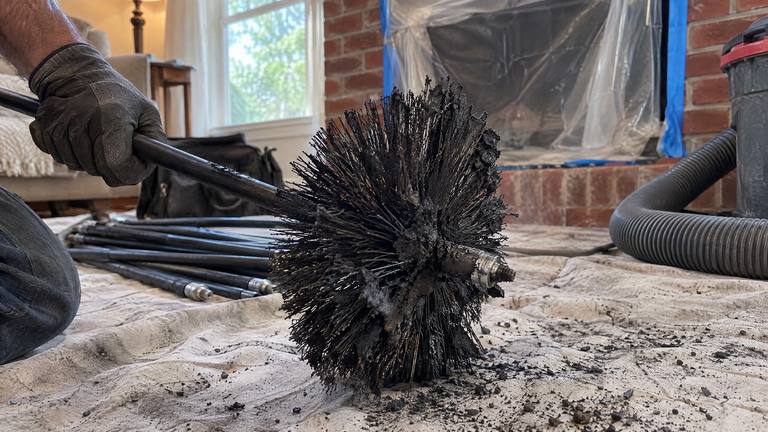
Family-run creosote removal in Bayard
Creosote removal in Bayard booked within 72 hours of the inspection comes 10% off.
- Fully licensed and insured
- Locally owned
- Family owned and operated
- Same-day service
Get Your Free Inspection
Get a quote for chimney and fireplace repair and installation in Jacksonville.
Request received
Thank you. We will call you shortly to set a time.
Quicker by phone? Call (904) 920-5495
Local creosote pros for Bayard chimneys
- Locally owned in Jacksonville
- Family owned and operated
- 100% satisfaction guaranteed
- Free inspection and estimate
- Same-day service available
- 10% off any service
You leave with plain advice on wood and air that keeps the glaze away.
- Free inspection and estimateThe glaze in your Bayard flue is mapped by height and the liner checked at no charge.
- 100% satisfaction guaranteedIf the flue is not left bare, examined and clean as agreed, we come back and finish it.
- Family owned and operatedA family business chooses the method and does the work, so the care taken with your liner stays in one set of hands.
Tar dripping onto the damper
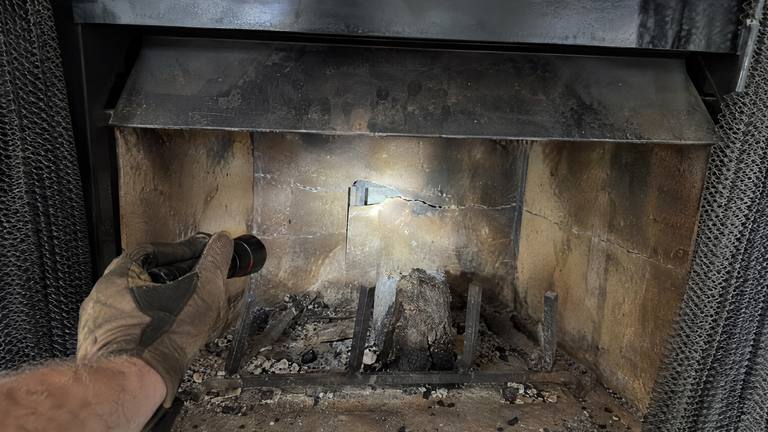
Tarry runs down the firebox walls, or sticky beads on the damper and smoke shelf, show creosote that formed as a liquid and ran before it set. That happens when smoke cools and condenses heavily in the flue. Wiping the drips away treats the symptom, which is why we go looking higher in the flue.
Runs like these usually go with thick glaze higher up, and they tell us something about how the fireplace has been burning. We remove the deposits, check the damper and liner beneath them and talk through what caused them. Tar drips inside your fireplace in Bayard? Call (904) 920-5495 and book a free inspection.
Bayard is a neighborhood inside Jacksonville city limits. Bayard sits in Duval County.
Creosote removal work in Bayard
- Method matched to clay tile or stainless liner
- Draft tested before we leave
- Burning habits explained in plain terms
- Glaze mapped in your Bayard flue before any price
From the first look to a bare flue in Bayard
-
Glaze mapped, liner checked
The deposits are recorded by height and the liner assessed before a method is chosen.
-
Room sealed and protected
The fireplace opening is closed with a panel under a filtered vacuum, and the hearth area covered.
-
Rotary passes or treatment rounds
Glaze is broken loose with rotary tools on sound tile, or softened with a labeled treatment and brushed away.
-
Bare flue examined
The cleaned flue is checked from both ends, draft tested and burning habits reviewed.
Fireplaces unused for years in Bayard
Old deposits stay in a flue however long the fireplace sits idle, and they hide the liner behind them.
Before an old fireplace in Bayard is lit again, hard glaze is removed and the flue examined.
10% off any service booked within 72 hours of inspection
Glaze in the flue? The removal you book in the next three days comes 10% off.
How sweeps describe the three stages
Chimney sweeps describe creosote in three stages, a trade description rather than a code term. The first is a dry, dusty soot. The second is flaky or crunchy, with shiny bits mixed in. The third is the hard, glossy coat that once ran like tar and then set.
The first two come off with the right brushes during a routine sweep. The third does not, and that is where creosote removal begins as its own job. We record which stage we find at each height, since a flue can hold soft deposits near the top and hard glaze lower down, where the smoke is hottest.
Cleaning logs, sprays and their limits
Products sold to loosen creosote, from cleaning logs to sprays and powders, can soften some deposits as they burn. What they do not do is remove hard glaze by themselves or show the condition of the flue.
Softened deposits still have to be brushed out, and a flue treated only with these products for seasons can hide heavy glaze and cracked tiles. We do use labeled chemical treatments as part of removal, but always with brushing and an examination afterward. The difference is that the flue is looked at, not assumed. If you like to use them between cleanings, we explain how to keep them from hiding problems.
When removal uncovers damage
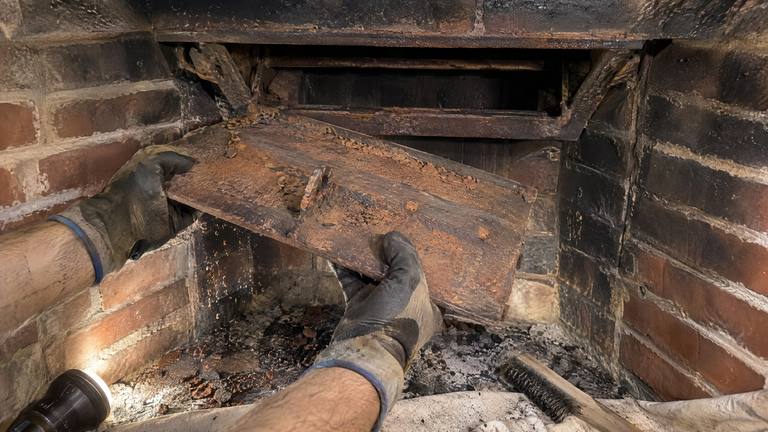
Glaze can hide damage for years, and removal sometimes reveals it: a tile split lengthwise, a joint with no mortar, a section flaked thin. Those are not caused by removal, but they could not be seen before it.
When we find damage, we stop at the point where more work could make it worse, show you what we found and explain the repair options. No fire is lit until the flue is sound again. Repairs are priced separately, and nothing beyond the agreed removal is done without your say. Having the flue bare also makes any repair more accurate to price, because nothing is hidden.
Deposit findings written down before pricing
- Deposit type recorded by height, from soft soot to hard glaze
- Honeycombed deposits noted, with the closer flue check they call for
- Flue size compared with the fire it serves
- Debris bagged, firebox and hearth cleaned before we leave
Creosote questions from Bayard
Will you make a mess in the house?
No more than a dusty drop cloth. The fireplace opening is sealed with a panel and a filtered vacuum, the hearth area is covered, and we clean the firebox before leaving.
How do I stop the glaze from coming back?
Use wood dried six months or more, let the fire breathe, and skip the long, low, smoky burns. If the flue is oversized or runs cold, a correctly sized liner may be the lasting answer.
More services in Bayard
-
-
-
-
-
-


Book a creosote check before the next fire
Our creosote pros map the glaze, check the liner and price the method for your Bayard flue. Call (904) 920-5495.
Free Inspection