
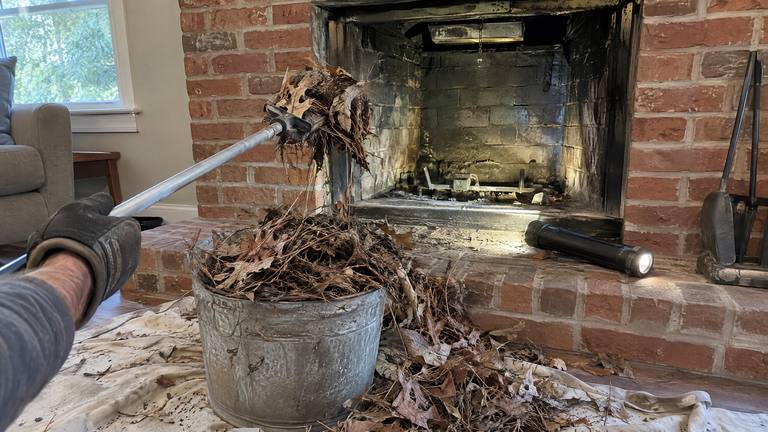
Local chimney animal removal in Bayard
When something moves into your Bayard chimney, the free visit gives you a plan for what it is, when it can go and how it stays out.
- Fully licensed and insured
- Locally owned
- Family owned and operated
- Same-day service
Get Your Free Inspection
Get a quote for chimney and fireplace repair and installation in Jacksonville.
Request received
Thank you. We will call you shortly to set a time.
Quicker by phone? Call (904) 920-5495
Local experts for animals in Bayard chimneys
- Locally owned in Jacksonville
- Family owned and operated
- 100% satisfaction guaranteed
- Free inspection and estimate
- Same-day service available
- 10% off any service
Every flue on the chimney is checked, since an idle one is the first place animals move in.
- Free inspection and estimateFinding out what is in your Bayard flue, and which rules apply, is part of the free visit.
- Upfront pricing, no hidden feesClean-out, exclusion and cap are priced as separate lines, and any trapper is named in writing.
- Same-day serviceWhen the schedule has room, we can look at a noisy chimney the same day you call.
Framed chimneys have other doors
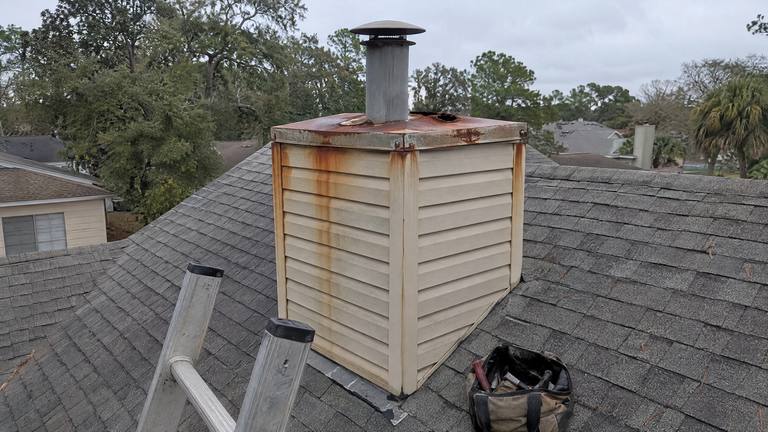
Framed chimneys, built as a chase around a metal flue, have more ways in than the flue itself. Rust holes in the chase cover, a storm collar that has slipped, a loose panel of siding or an open corner can each admit an animal to the enclosure, where it may nest without touching the flue.
For those Bayard chimneys the chase is checked along with the termination cap. Replacement parts for the top of a prefab chimney have to be listed for that exact chimney, so the maker's part is named. Nesting inside a chase can go unnoticed until someone opens the siding. Call (904) 920-5495 and our animal removal pros will check your Bayard flue for free.
Bayard does not reach the coast. Bayard is a neighborhood within the City of Jacksonville.
Chimney animal work we take on in Bayard
- Legal timing explained with the rule named
- Fireplace opening sealed while the flue is cleaned out
- Damper and smoke shelf checked after the clean-out
- Screened cap sized to keep animals out
Identify, wait if the law says so, clean out, close
-
Sounds, shelf and flue read
What you hear and when, what is on the smoke shelf and a look down from the top tell us what is inside.
-
Rules and timing checked
Protected birds and bats set the dates, and a one-way device goes on where the rules call for one.
-
Clean-out with the opening sealed
Once the flue is empty, nests and droppings come out through a sealed firebox and are bagged.
-
Way in closed for good
A screened cap, crown repair or chase cover fix closes the entry, and the damper is checked.
When an animal gets past the damper
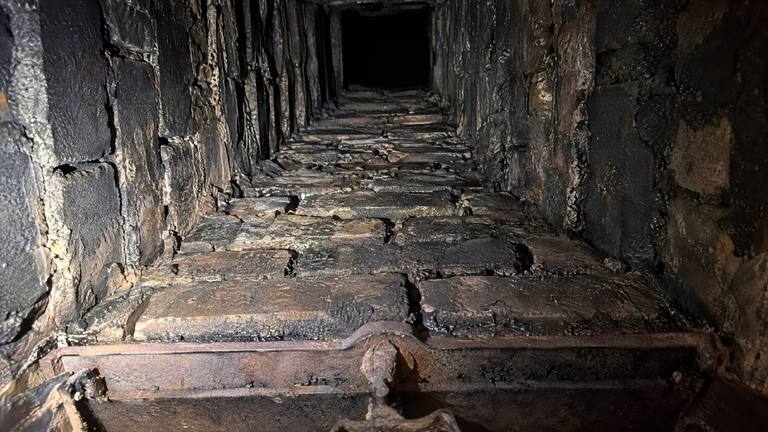
Even a good damper leaves gaps around its plate, and an animal in the smoke chamber can push through into the room.
If something has come into a room in Bayard, shut the doors to the rest of the house, open an outside door and leave the room.
10% off any service booked within 72 hours of inspection
Ask for the 10% off on the animal job and we write it on the booking.
Exclusion first, closure second
Sealing a bat roost is a two-step job under the Florida rule. First, a one-way exclusion device goes on the opening the bats use, so they can leave at night and cannot come back. Second, the device has to stay put for a minimum of four days and nights in a row on which the National Weather Service forecasts lows above 50 degrees, and only after that can permanent repairs close the opening.
Counting only nights forecast to stay above 50 degrees gives the device a fair chance to clear the roost. The estimate for a bat job shows both steps and the earliest date for each.
Keeping the clean-out inside the chimney
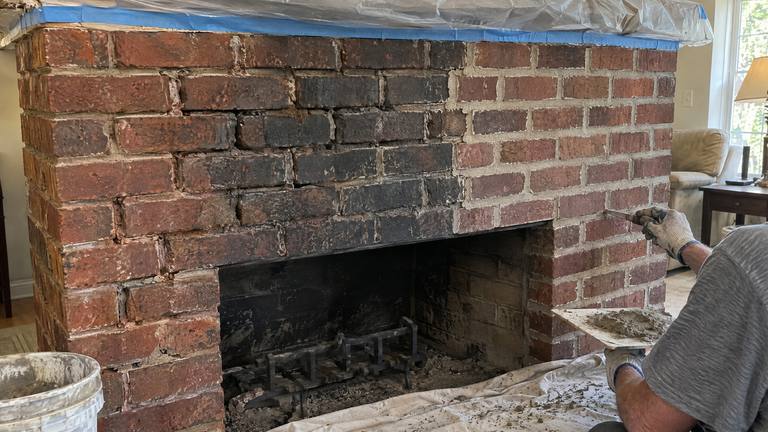
Everything that comes out of a flue after an animal comes down through the firebox, so containment starts there. The opening is sealed with a panel or plastic sheeting taped to the fireplace face, with the vacuum hose passing through it. The hearth and the floor in front are covered, and furniture nearby is moved or draped.
With the room sealed off, the flue is brushed from above or below, and the debris drops to where the vacuum collects it. The seal comes down last, after the firebox and smoke shelf are cleaned, so you get the room back as it was.
Keeping the cap screen open
A screen fine enough to stop animals can also catch soot, creosote flakes, leaves and seed pods. As those build up, the open area shrinks, the draft weakens and smoke can start to spill into the room. A clogged screen is also a sign that the flue itself needs attention.
NFPA 211's once-a-year chimney inspection covers the whole chimney, and the cap screen gets its look then too. A clogged screen is cleaned, and one that is torn or rusting is repaired or replaced before it lets the next animal in. On a fireplace used often, the screen may need clearing between yearly checks.
Rules, timing and the cap, in writing
- Identification of what is in the flue, and the evidence behind it
- Legal timing that applies, with the federal or state rule named
- Damper condition after the animal is gone, with any repair priced
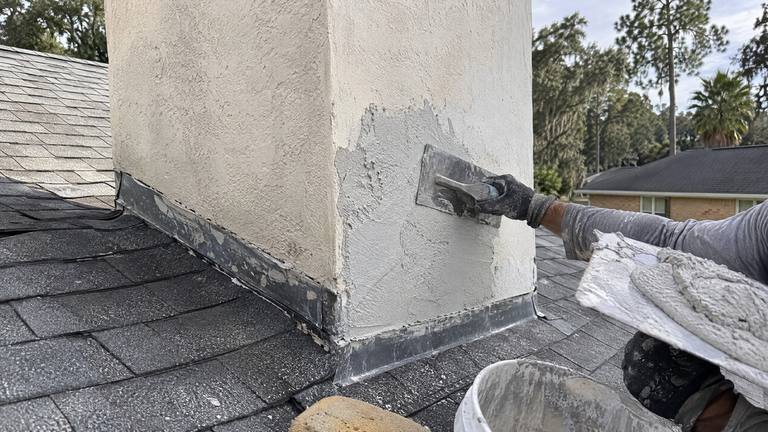
- Chase cover, storm collar and siding gaps on a framed chimney
Animals in Bayard chimneys, your questions
Will the animal come back after it leaves?
It can, as long as the way in stays open. So the job ends with the entry closed, whether by a screened cap, a repaired crown or a fixed chase cover.
What if the animal has died in the chimney?
Everything is taken out, the smoke shelf and the area around the damper get cleaned, and the flue is checked for anything else lodged in it. Once the source is gone, the smell fades. Keep the damper shut until then.
More services in Bayard
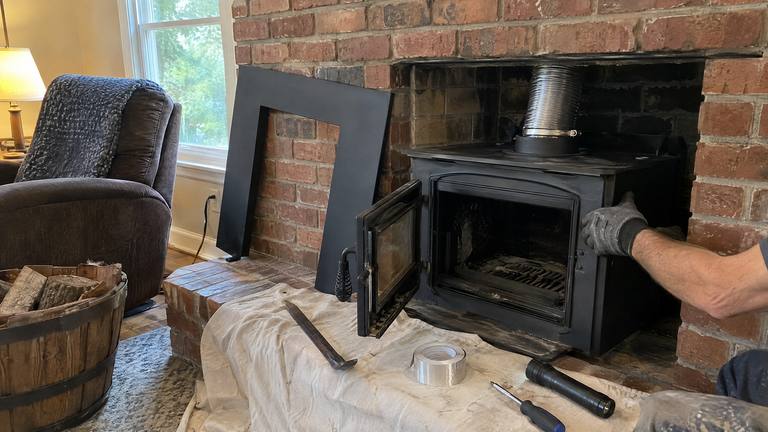
-
-
-
-
-
-


Learn more about chimney animal removalAll services in Bayard
Get the animal out and the chimney closed in Bayard
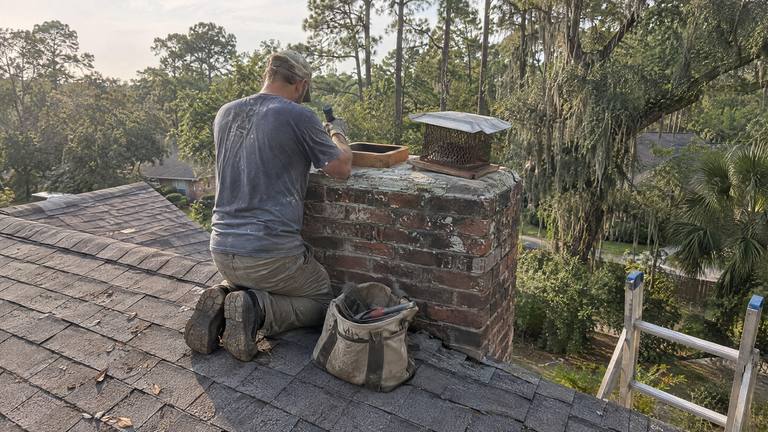
Once the animal is out and the rules allow, a screened cap closes the flue in Bayard so the next one stays out.
Free Inspection