Glazed creosote removal in Atlantic Beach
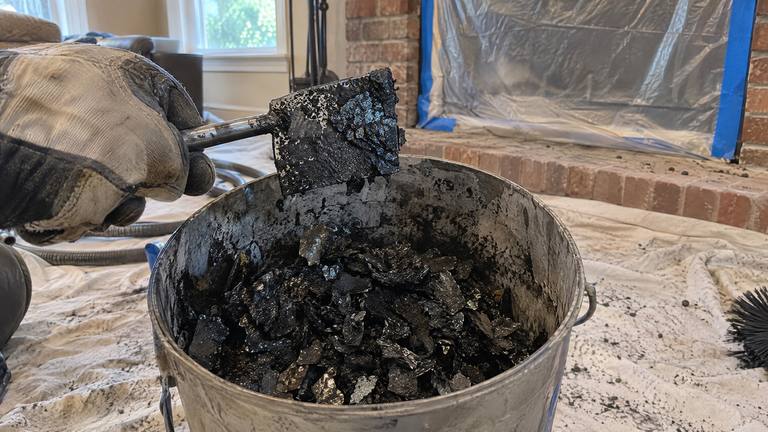
Creosote work in Atlantic Beach done with the room covered, the firebox sealed and every bit of mess taken away.
- Fully licensed and insured
- Locally owned
- Family owned and operated
- Same-day service
Get Your Free Inspection
Get a quote for chimney and fireplace repair and installation in Jacksonville.
Request received
Thank you. We will call you shortly to set a time.
Quicker by phone? Call (904) 920-5495
Creosote specialists who check the liner first
- Locally owned in Jacksonville
- Family owned and operated
- 100% satisfaction guaranteed
- Free inspection and estimate
- Same-day service available
- 10% off any service
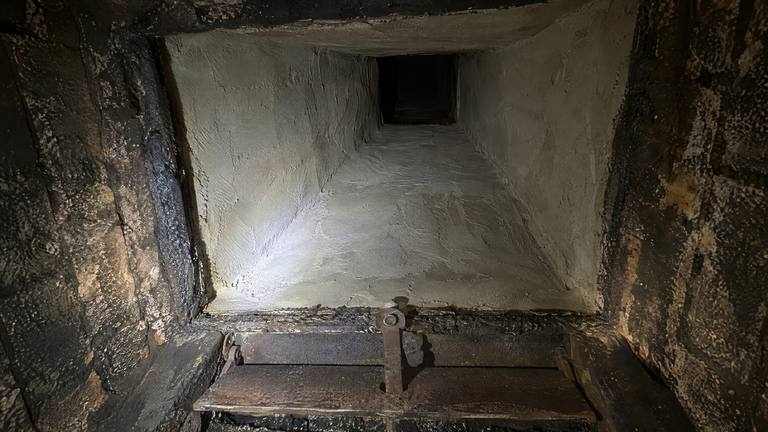
The bare flue is examined, so hidden cracks are found rather than covered again.
- Free inspection and estimateThe glaze in your Atlantic Beach flue is mapped by height and the liner checked at no charge.
- 100% satisfaction guaranteedIf the flue is not left bare, examined and clean as agreed, we come back and finish it.
- Family owned and operatedA family business chooses the method and does the work, so the care taken with your liner stays in one set of hands.
Cardboard and trash in the fire
Cardboard, wrapping paper and household trash make smoky, fast-flaring fires, and EPA Burn Wise advises against burning them. Their smoke adds to the deposits in the flue, and burning paper can loft sparks and burning pieces up the chimney. Burning paper to start a fire is fine in small amounts; filling the firebox with it is not.
If the fireplace has been used that way, the flue deserves a check before regular fires resume. We remove the deposits and go through what should and should not go in the firebox. Burned trash in your Atlantic Beach fireplace? Phone (904) 920-5495 for a free creosote inspection.
Atlantic Beach had 13,513 residents at the 2020 Census. Atlantic Beach reaches the coastline.
What creosote removal covers in Atlantic Beach
- Hard, shiny glaze removed where brushes skid
- Firebox sealed under a filtered vacuum
- Smoke chamber and smoke shelf cleared
- Burning habits explained in plain terms
How creosote removal runs
-
Glaze mapped, liner checked
The deposits are recorded by height and the liner assessed before a method is chosen.
-
Room sealed and protected
The fireplace opening is closed with a panel under a filtered vacuum, and the hearth area covered.
-
Rotary passes or treatment rounds
Glaze is broken loose with rotary tools on sound tile, or softened with a labeled treatment and brushed away.
-
Bare flue examined
The cleaned flue is checked from both ends, draft tested and burning habits reviewed.
Damp air and creosote odor on the coast
Creosote odor tends to be stronger on damp days, and a house near the ocean sees plenty of damp air moving through an open flue.
A damper that seals and a clean flue keep the smell out of Atlantic Beach living rooms between fires.
10% off any service booked within 72 hours of inspection
Book creosote removal for your Atlantic Beach home no more than 72 hours after the inspection and it is 10% off.
Where rotary tools do not belong
The same spinning chain that breaks glaze can chip the face of a clay tile, knock out weak mortar joints or tear a thin metal liner. On a sound, well-built clay flue, careful rotary work is safe. On a flue with cracked tiles or open joints, it can make the damage worse.
So the liner is checked before any rotary head goes up. Where the tile is weak, or where the flue has a metal liner whose maker limits the tools, a chemical treatment is used instead, even though it may take more rounds. The estimate records that choice and the reason.
Dry wood and lighter deposits
EPA Burn Wise advises seasoning firewood for at least six months before burning it. Seasoned wood weighs less, shows split ends and rings rather than thuds when two pieces are struck together. Wet wood hisses, steams and is hard to keep burning.
Dry wood burns hotter and cleaner, so its smoke carries less moisture into the flue and leaves fewer deposits. We mention this on every creosote job because it is the cheapest way to keep a cleaned flue clean. Wood stored off the ground, under cover and open to air on the sides dries better than a covered pile.
Draft after the deposits are gone
Heavy deposits narrow a flue and roughen its walls, both of which slow the smoke. After removal, the full size of the flue is back, and draft often improves noticeably.
If the fireplace still smokes after removal, the cause lies elsewhere: a damper not opening fully, a house short of air, a flue too short or too small for the fireplace, or an obstruction higher up. We test draft before leaving and tell you whether anything else needs attention. A simple smoke test with the damper open shows how well the flue is pulling.
What we record about the glaze in Atlantic Beach
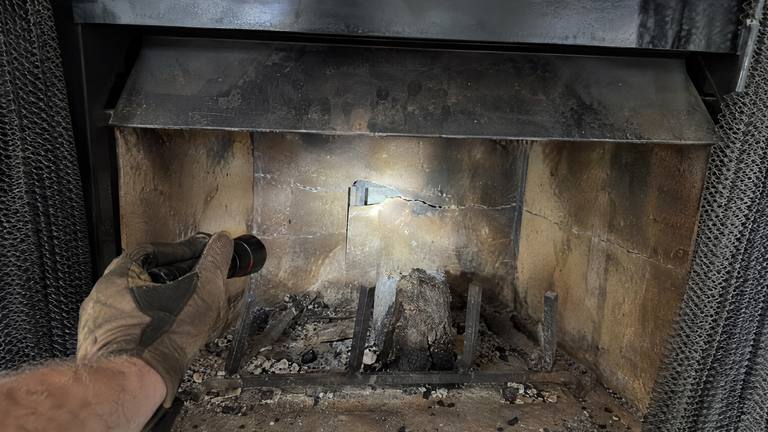
- Liner type and visible condition checked before any method is chosen
- Bare flue examined from top and bottom once the glaze is off
- Honeycombed deposits noted, with the closer flue check they call for
- Burning habits reviewed: wood, air and what goes in the firebox
Before the glaze comes off
Why can't a regular sweep remove glaze?
Brushes work by scraping, and glaze is hard and smooth enough that bristles slide over it. It needs rotary tools or a treatment that makes it brittle first.
What does a creosote inspection in Atlantic Beach cost?
The inspection is free, and the method, rounds and price are written down before any work. Book the removal within 72 hours of it and 10% comes off.
More services in Atlantic Beach
-
-
-
-
-
-


Learn more about creosote removalAll services in Atlantic Beach
Get the glaze out of your Atlantic Beach flue
Shiny black deposits in Atlantic Beach? The inspection costs nothing, and removal booked within 72 hours of it is 10% off.
Free Inspection